

Herbs create immediate physical responses. Crush a tulsi leaf between your fingers and its fragrance changes the next breath. Place fresh ginger on the tongue and warmth begins before you have time to think about it. Smooth clear aloe gel over sun-warmed skin and the body receives coolness and moisture at once.
A plant substance reaches you through its qualities, and you respond through breath, taste, skin, memory, and sensation.
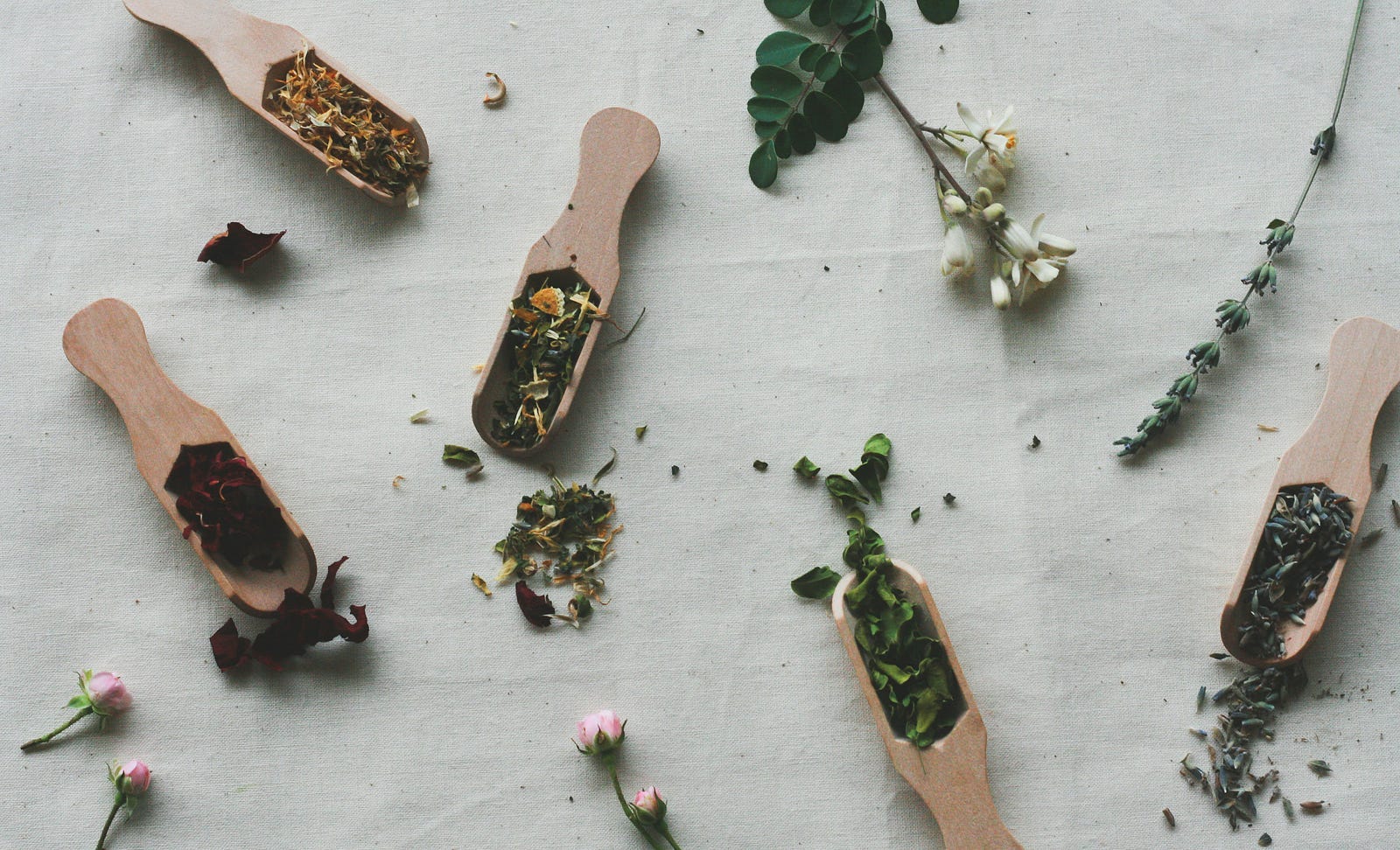
This immediacy is where our new series on healing herbs begins. Over the coming weeks, I’ll explore 40 healing herbs through three perspectives: Ayurveda, modern science, and direct experience. Each plant has a traditional history and a chemical profile that researchers can study. It also has qualities you can smell, taste, touch, and experience internally.
Qualia Medicine brings traditional knowledge, modern research, and direct experience together.
The medicine of experience
Qualia are the felt qualities of experience. The red of a rose, the bitterness of strong coffee, the comfort of warmth, and the lift you feel when a familiar fragrance reaches you are all qualia. Science can measure wavelengths, temperature, aromatic compounds, and activity in the nervous system, but you alone know how the rose, the warmth, or the fragrance appears within your awareness.
Modern medicine has given us extraordinary knowledge based on objective facts, while Ayurveda understands health as a balanced flow through sensation, appetite, sleep, thought, emotion, movement, and your relationship with the rhythms of nature. Qualia Medicine brings that understanding into the present through the nervous system, hormones, immune activity, and behavior, and how changes in daily life influence the body over time.
Nature speaks in qualities
Ayurveda describes nature through pairs of qualities called gunas: hot and cold, heavy and light, dry and oily, sharp and slow, mobile and stable, rough and smooth. These are qualities you recognize in daily life. A windy day is cold, dry, and mobile. A rushed afternoon can feel much the same. A rich meal is heavy and oily. An argument can become hot and sharp.
Similar qualities tend to increase one another, while balancing qualities reduce any excess. If your life has become hurried, irregular, and scattered, more stimulation is liable to intensify that pattern. Warmth, regular meals, rest, and a selected herb help restore steadiness. If you feel overheated and irritable, cooling influences give your body and mind room to settle.
The three doshas organize these qualities into recognizable patterns. Vata expresses movement, Pitta expresses transformation, and Kapha expresses structure and cohesion. Everyone contains all three. They help you notice what is increasing now and meet today’s condition with greater intelligence.
How Ayurveda reads an herb
An Ayurvedic herbalist begins with rasa, the taste that first meets the tongue. Ayurveda recognizes sweet, sour, salty, pungent, bitter, and astringent tastes. The inquiry continues with guna, the herb’s qualities; virya, its heating or cooling potency; vipaka, its effects after digestion; and prabhava, a distinctive action that may not be predicted from the other features.
Consider ginger. Its pungency announces movement and heat. Aloe offers a very different encounter through the cool, moist character of its clear inner gel. Ashwagandha root is earthy, bitter, warming, and substantial. These descriptions do more than decorate a list of chemical constituents. They help you anticipate how a plant might meet a particular person in a particular condition.
Preparation changes the effect, whether the herb is used as a tea, powder, food, tincture, concentrated extract, or topical gel. Each preparation delivers different amounts of various compounds. In the same way, separate parts of a plant act differently. Clear aloe gel and the bitter yellow latex beneath the rind are one example. Aloe gel is associated with soothing topical uses. The latex is a powerful stimulant laxative with significant risks.
What modern science adds
Modern research is revealing how fully the body participates in sensory life. Receptors first identified with taste on the tongue have also been found in the gut, airways, heart, brain, and other tissues, where they serve as local chemical sensors. This research doesn’t confirm Ayurvedic categories, but it shows that taste-related receptors have roles far beyond the tongue. Ayurveda and modern biology describe the body in different languages.
Epigenetics offers another way to consider the connection between daily life and biology. Nutrition, stress, sleep, exercise, behavior, and environmental exposures can influence gene expression without changing the DNA sequence. Experience is carried through the brain, hormones, immune signals, metabolism, and behavior. The body continually responds to the conditions of your life.
Plant research has also become more precise since many familiar herbal guides were written. Researchers now know more about active constituents, extracts, dose ranges, product quality, and interactions with medicines. They also know more about harm. Some herbs affect the liver, thyroid, blood sugar, blood pressure, clotting, sedation, pregnancy, or prescription drugs. Respect for a plant includes respect for its power.
Three ways of knowing
Throughout this series, I’ll bring three kinds of knowledge together. First comes traditional knowledge: how Ayurveda and other healing traditions have understood the plant. Second comes modern evidence: what laboratory studies, clinical trials, pharmacology, and safety monitoring reasonably support. Third comes personal experience: what changes in your sensations, energy, digestion, mood, sleep, and clarity when an herb is used appropriately.
Tradition provides a map refined across generations. Science tests specific preparations and claims. Awareness lets you notice how an herb affects your sensations, digestion, mood, sleep, and daily functioning. Awareness, however, can’t measure a liver enzyme, reveal a medication interaction, or guarantee a product’s contents. Those questions require testing, reliable manufacturing, and guidance from qualified health professionals.
A practice of attention
As you learn about each herb, begin with a few questions. What qualities are strongest in me today? What qualities does this plant bring? Which preparation has actually been studied or traditionally used? Is it suitable for my health, medications, and stage of life? What changes can I observe over time?
When an herb is appropriate, take a moment before using it. Look at its color and form. Receive its fragrance. If it is meant to be tasted, notice the first taste and what follows. Does your breath change? Do you notice warmth, coolness, stimulation, heaviness, or clarity? There’s no need to force an experience. Simply observe what is present and leave room for what you don’t yet know.
The plant supplies its chemistry and character. Your body receives, transforms, and answers. Consciousness gives you the capacity to notice this exchange as it happens within your own experience. Over time, you become more fluent in signals that have always been present.
Our first plant: Aloe
We’ll begin with aloe, a plant many people keep on a windowsill but few truly know. Within its thorn-edged leaf lies a clear gel associated with cooling and soothing; close beside it is a bitter latex that acts forcefully and requires far greater caution. Aloe offers a fitting first lesson in Qualia Medicine: a single plant contains very different constituents, so the plant part and preparation matter.
By the end of this series, you may know forty plants more intimately. More important, you may understand your own patterns with greater honesty and affection. Nature is already speaking through taste, scent, temperature, rhythm, and response. As your attention clears, you can participate in your health with greater confidence, wonder, and care.
Namaste,
Deepak
Medical note: This series is educational and doesn’t replace individualized medical care. Check with a qualified clinician or pharmacist before using medicinal herbs if you take medication, have a health condition, are pregnant or breastfeeding, or are preparing for surgery.
Deepak’s latest book, Awakening in the Final Chapter, is available now.