

When life turns up the pressure, most of us don’t suddenly become calm and enlightened. We tense up. We blame. We withdraw. A project collapses, a relationship shakes, a health scare appears, and before we realize it, an old pattern is running the show.
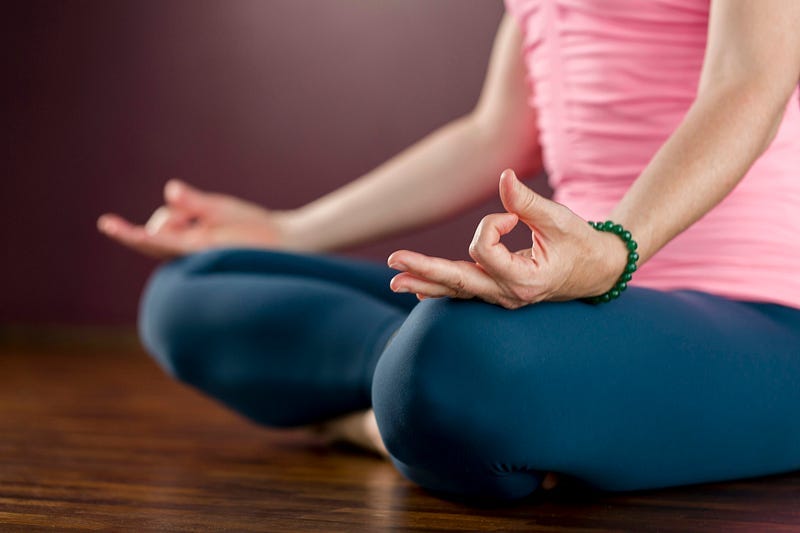
Your pattern might be going straight to worst‑case scenarios, attacking yourself for not doing more, blaming others in your mind, or numbing out with work, screens, or food. These reactions are deeply human. They’re how your nervous system has tried to keep you safe. But if you never question them, every challenge becomes another rerun of the same exhausting movie.
There is another possibility. Pressure can shape you without shattering you. You can begin to see each challenge as an invitation—not to suffer more, but to expand your awareness and capacity.
Challenges as invitations, not punishments
On the surface, crises look like problems to survive. Underneath, they highlight the edges of who you believe you are. They reveal where fear still rules, where old wounds are unhealed, and where your sense of self is fragile.
Job loss may show how tightly your worth was tied to performance.
Relationship tension may reveal where you abandon yourself or attack to avoid being hurt.
Health scares may highlight how long you’ve ignored your body’s signals.
Creative blocks may uncover beliefs like “I’m not talented enough” or “It’s too late for me.”
The event is one thing. The meaning you attach is another. If you see challenges only as punishments or proof that life is against you, they crush you. If you start to see them as invitations, they become turning points.
A four‑step practice when pressure rises
You don’t need a complex philosophy to grow from difficulty. You need a simple inner sequence you can remember when you’re upset: pause, feel, inquire, choose.
1. Pause
First, interrupt autopilot.
When the email hits, the argument flares, or the test result lands, give yourself a brief pause. Feel your feet on the ground. Take three slow breaths. If you can, say, “I need a moment,” and step away.
This isn’t avoidance; it’s self‑leadership. You’re creating space between the trigger and your reaction.
2. Feel
In that space, bring attention to your body. Where is the contraction—throat, chest, stomach, jaw? Notice the sensations: tight, hot, heavy, numb.
Gently name the emotion: “This is fear.” “This is anger.” “This is shame.” “This is sadness.”
When you name a feeling without judgment, you move from being inside it to being aware of it. The emotion is still there, but it no longer completely defines you.
3. Inquire
Next, ask one or two quiet questions:
“What am I believing right now?”
“What does this part of me fear will happen?”
You might hear beliefs like: “I’ll never recover from this,” “I’m not lovable,” “My body is betraying me,” or “Nothing I do is ever enough.”
You don’t have to argue with these beliefs. Simply seeing them clearly brings them out of the shadows. Awareness itself begins to loosen their grip.
4. Choose a higher response
From this slightly wider awareness, ask, “What would a wiser, more loving version of me do next?”
Sometimes the higher response is practical: update your résumé, ask for support, get a second medical opinion, have an honest conversation instead of avoiding it.
Sometimes it is internal: offering yourself kindness instead of harsh criticism, resting instead of pushing, telling the truth instead of people‑pleasing, forgiving instead of replaying the story.
A higher response is not a perfect response. It is simply one step closer to love, clarity, and truth than your usual pattern.
Quick snapshots from real life
A few brief examples show how this looks in practice:
Job loss: You pause, feel the fear in your chest, notice the belief “Without this title I am nothing,” and reach out to three contacts from a place of curiosity rather than panic.
Relationship tension: You pause, feel the knot in your stomach, notice “They never really see me,” and say, “When that happened, I felt really alone,” instead of shutting down or attacking.
Health scare: You pause, feel the anxiety in your body, notice “My body is my enemy,” and ask, “What is my body asking for now?”—more rest, different food, or a follow‑up appointment.
Creative block: You pause, feel the heaviness, notice “Nothing I make matters,” and choose to work gently for 20 minutes, focusing on showing up rather than being brilliant.
Each time you move through this cycle, you strengthen a new pathway from automatic reaction to conscious response. Over time, that path becomes more familiar than the old one.
A 3‑minute “turning point” practice
Use this short practice whenever pressure rises—or when you’re reflecting afterward.
1: Ground and pause
Sit comfortably. Feel your feet on the floor, your seat on the chair. Take three slow breaths through the nose. With each exhale, silently say, “Here.” Let your shoulders soften a little.
2: Feel and name
Bring to mind the situation that is troubling you. Notice what happens in your body: tightness, heaviness, fluttering in the belly. Place a hand on your chest or belly. Quietly name the emotion: “This is fear,” “This is anger,” “This is sadness.” Let it be there for a few breaths without fixing it.
3: Inquire and choose
Ask inwardly, “What am I believing about myself in this situation?” Wait for a phrase to arise. Then ask, “What is one kinder, wiser step I could take next?” If even a small action appears—sending a message, resting, telling the truth, or simply breathing more softly—acknowledge it. When you open your eyes, see if you can take that one step today.
Practiced regularly, this simple practice lets pressure shape you without shattering you. Challenges do not disappear, but they stop feeling like random punishments. They become turning points—moments when life invites you to become larger than your fear and closer to who you really are.
Namaste,
Deepak