

Aloe vera is a familiar windowsill plant people turn to after getting a stovetop burn or too much time in the sun. Break open one of its thick, defended leaves and you find a reservoir of clear, cooling gel.
Aloe is a great place to begin our exploration of using herbs as Qualia Medicine. You can learn about its chemistry and traditional uses while also meeting its qualities directly. Coolness, moisture, smoothness, bitterness, and protection are experiences before they become concepts. The body recognizes them in its own language.
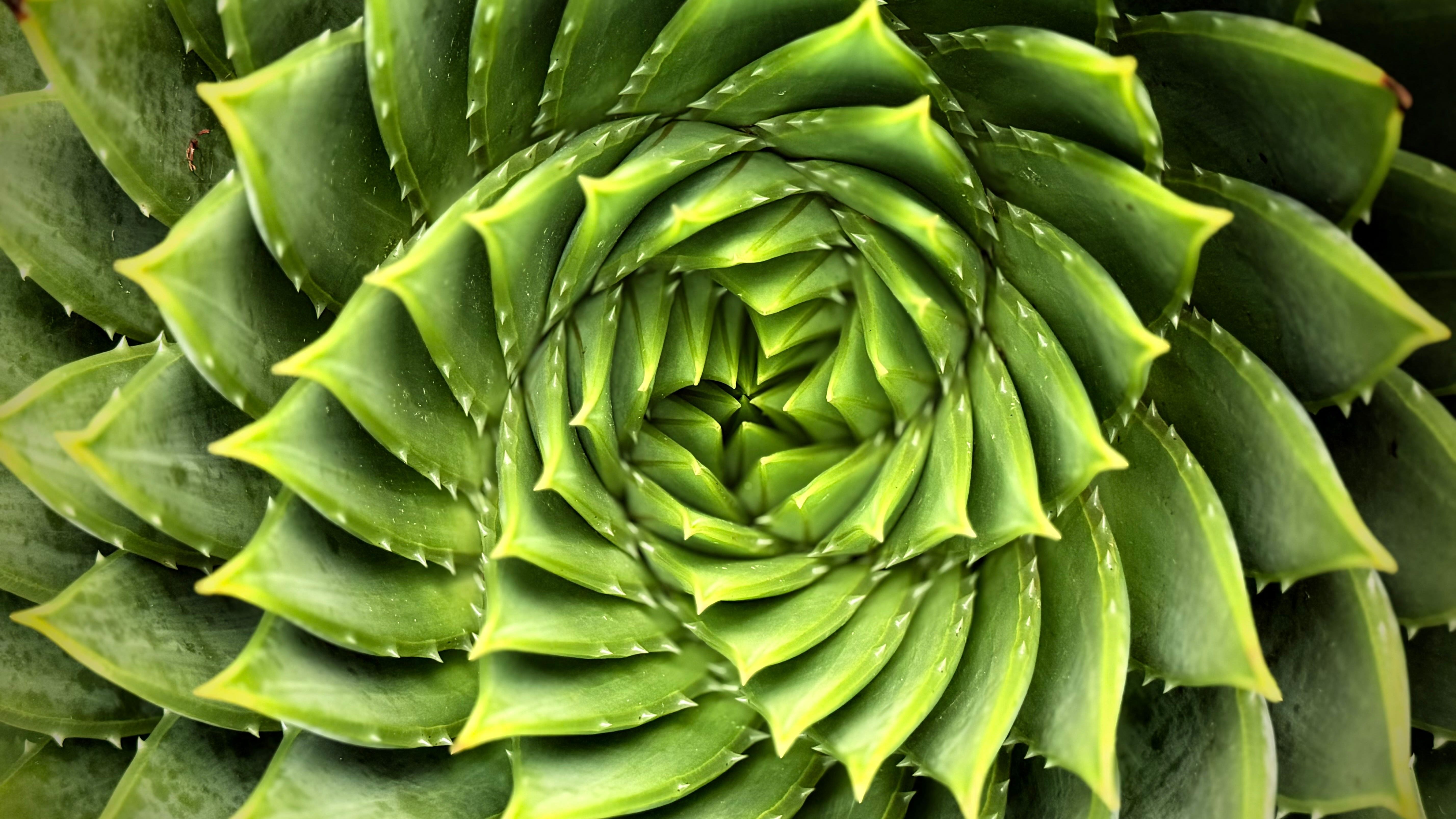
The vitality of youth
In Ayurveda, aloe is called kumari, a Sanskrit name associated with a maiden and the vitality of youth. The clear inner gel is commonly approached through qualities such as coolness, moisture, and restoration, with a special relationship to excess Pitta. Pitta is the mind-body principle of heat and transformation. It supports digestion, intelligence, courage, and clear perception. When it rises too high, you may experience burning digestion, inflamed skin, impatience, or a critical edge that follows you through the day.
Aloe brings qualities that meet this pattern: coolness against heat, moisture against dryness, and soothing contact where there has been irritation. Ayurveda often works through this natural intelligence of balancing qualities. The aim is to help the system recover its own proportion. You can feel that possibility the moment cool gel meets warm skin.
Two medicines in one leaf
Aloe asks us to pay close attention because one leaf contains substances with very different actions. The clear inner gel is the familiar soothing material used on the skin and processed into some drinks. Just beneath the green rind lies a yellow, bitter latex rich in anthraquinones, including aloin. This latex is a powerful stimulant laxative that can cause cramping, diarrhea, fluid loss, and medication interactions. Non-decolorized whole-leaf extracts also carry safety concerns.
This distinction changes everything. A bottle labeled “aloe” does not tell you enough. You need to know the plant part, the preparation, and whether a product intended for internal use has been purified and tested for aloin. Home filleting cannot reliably guarantee that the latex has been removed. For this reason, a leaf from the windowsill is better reserved for careful external use, while internal aloe deserves guidance from a clinician or pharmacist.
What science is finding
Aloe gel is mostly water, yet its remaining chemistry is active and complex. One of its best-studied components is acemannan, a polysaccharide that may influence macrophages, fibroblasts, collagen organization, and other parts of tissue repair. Processing and storage can change these compounds, which helps explain why two aloe products may behave differently.
The most encouraging clinical evidence concerns burns and wound healing. A 2024 systematic review of nine randomized trials found that aloe shortened healing time for second-degree burns by an average of about four days compared with other topical treatments. Pain relief remained uncertain, and the products varied. Earlier reviews reached a similar cautious conclusion: aloe may support healing, while better standardized trials are still needed.
For a minor superficial burn, cool running water comes first. A thin layer of purified commercial aloe gel may then be useful if the skin is intact and a small patch test causes no reaction. Deep, extensive, infected, chemical, electrical, facial, or circumferential burns need medical care. Aloe sometimes causes itching, burning, or a rash, so the body’s response remains part of the decision.
Cooling the inner weather
Ayurveda also gives you a way to explore aloe’s cooling character when emotional irritability accompanies excess heat. Aloe is not a treatment for anger. It offers an experiential doorway. The heat of Pitta can be felt in the body and in the tone of the mind: a flushed face, a clenched jaw, a demand that everything happen now. Cooling the body may accompany a wider change that includes rest, hydration, less heating food, and a pause before speaking.
The aloe leaf itself offers a memorable image. Its outer edge has teeth. Its inner life is transparent and moist. Protection and tenderness exist together. You can have clear boundaries without carrying the heat of constant defense. You can cool reactivity without losing discernment or the energy to act.
A simple aloe practice
If purified aloe gel is suitable for your skin, place a small amount on the inside of your forearm. Notice its temperature and texture. Feel the first contact and the change that follows. As you take six easy breaths, ask yourself, “Where has heat gathered in me today, and what would help it return to balance?”
There is no need to produce a special state. Perhaps the skin cools and the breath opens. Perhaps very little happens. Qualia Medicine begins with honest experience, including the experience of no noticeable change. Attention helps you learn what supports your balance and what does not.
Aloe has survived in dry climates by storing water within itself. When you meet it with knowledge and care, it reminds you that restoration may begin with a quality as ordinary as coolness. The intelligence of nature is close at hand, and your own awareness allows you to enter the conversation.
Namaste.
Deepak
Medical note: This article is educational and does not replace individualized medical care. Consult a qualified clinician or pharmacist before taking aloe internally, especially if you use medication, have a health condition, are pregnant or breastfeeding, or are preparing for surgery.
If you would like to explore this subject further, I invite you to visit DeepakChopra.ai.

──────────────────────────────────
Deepak’s latest book, Awakening in the Final Chapter, is available as hardcover, ebook, and audiobook.